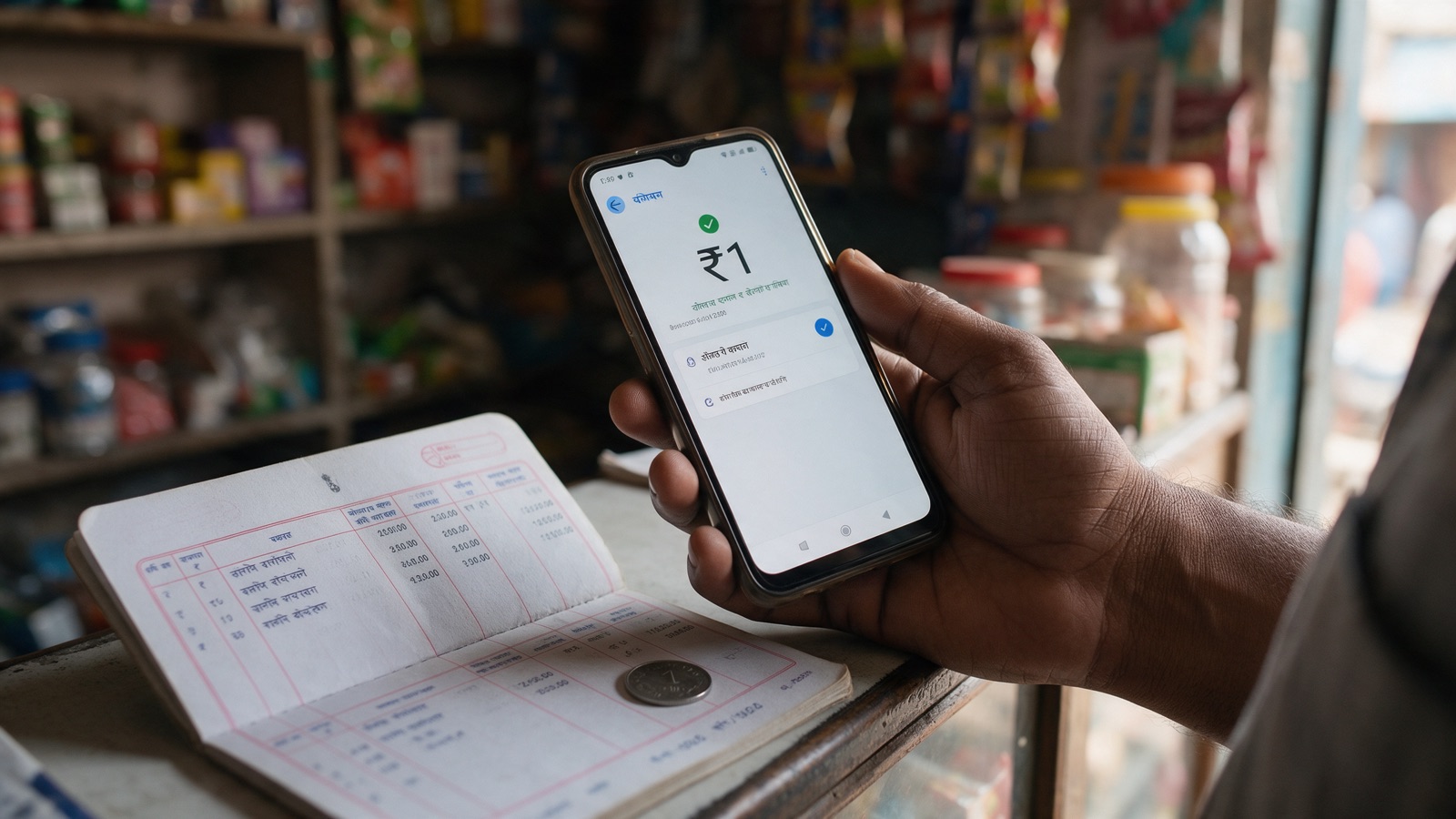
Penny drop verification sends ₹1 to a bank account to confirm it is active and whose name it is in. How it works in India, what it costs and when to use pennyless instead.
RBI’s draft Guidance on Regulatory Principles for Model Risk Management, 2026 counts rule engines, scorecards and AI models alike. What a board-approved MRMF means for credit decisioning.
There is no single best loan management software. A 12-point evaluation framework for Indian banks and NBFCs choosing an LMS, LOS and BRE, with the questions that separate vendors.
Choosing a KYC API stack for a bank or NBFC in India. The six verification families a lending journey needs, nine criteria that separate vendors, and what uptime and fallback really cost.
NACH stands for National Automated Clearing House, NPCI’s platform for bulk and recurring payments. What NACH, eNACH, a NACH mandate and UMRN mean for Indian lenders.
BRE full form is Business Rules Engine. Learn how a BRE automates credit decisions for Indian banks and NBFCs, what rules it runs, and how to choose one.
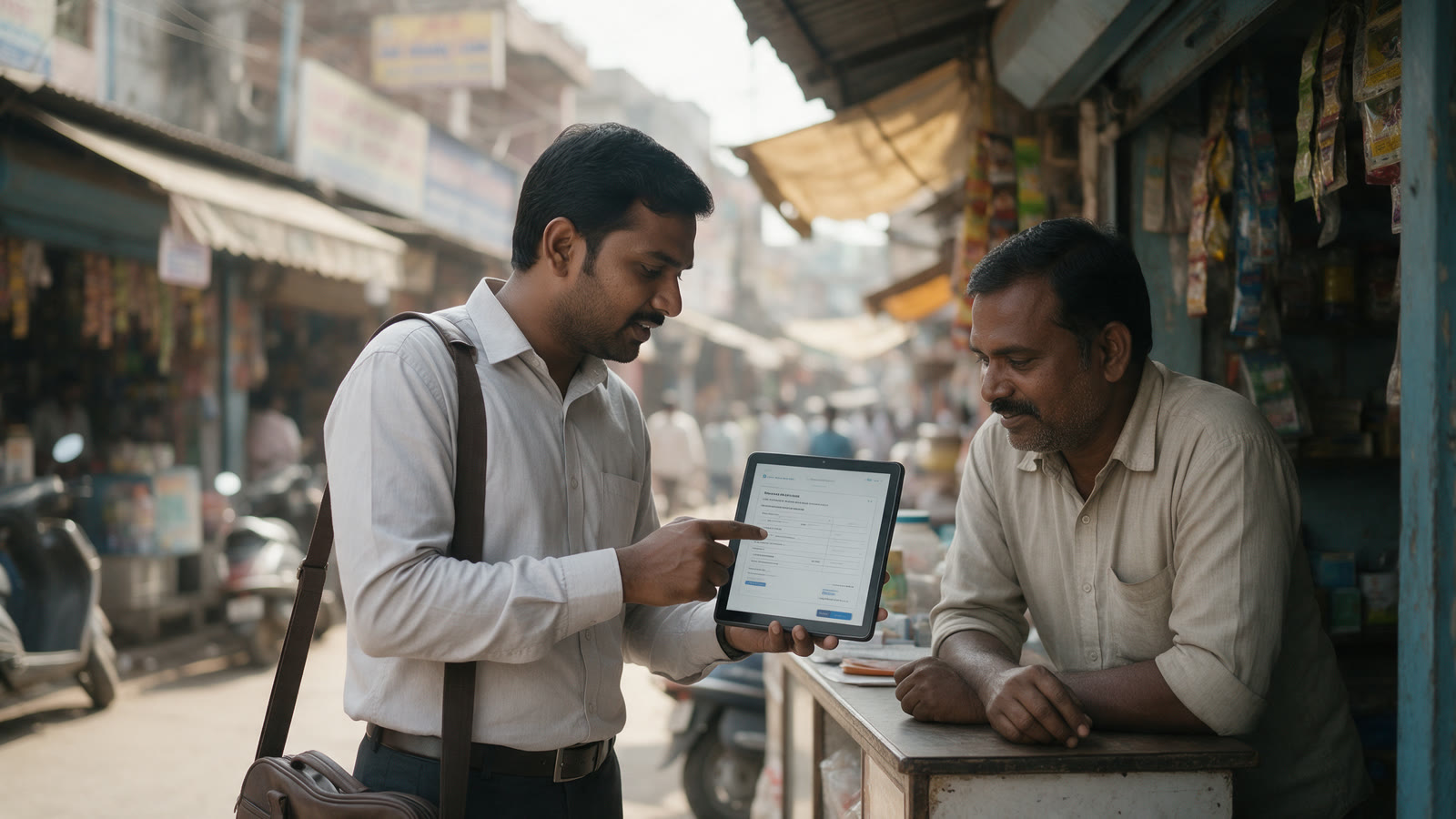
DSA full form in banking is Direct Selling Agent. Learn what DSAs do, how they differ from BCs and DMAs, RBI rules, and how lenders manage DSA networks.
AI pilots in Indian lending rarely fail because the model is wrong. They stall because no one can explain the decision, own it or audit it at scale. A four-rung autonomy ladder, and how to climb it one segment at a time.
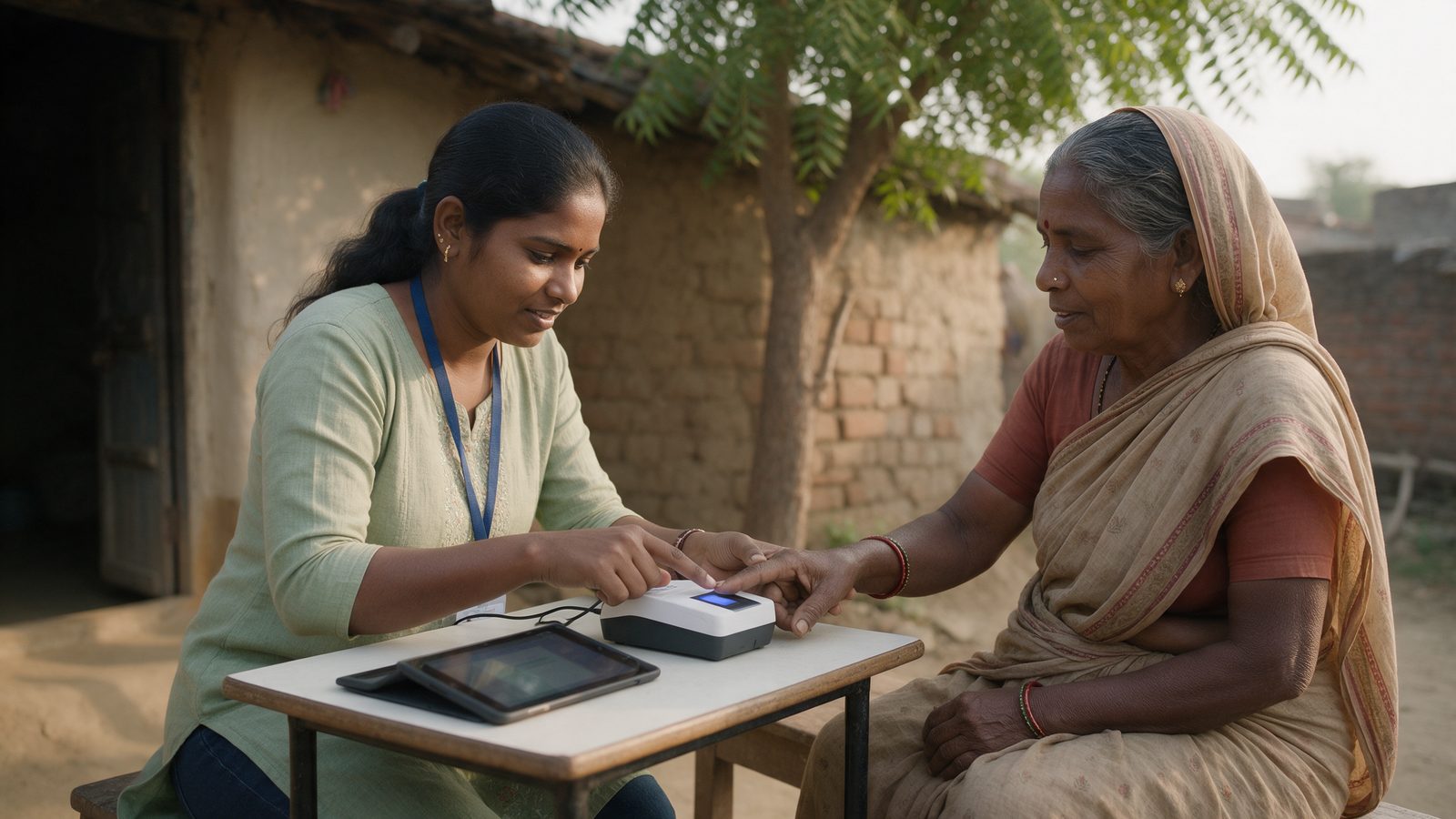
For new-to-credit borrowers outside India’s metros, app-first lending loses on unit economics. An assisted model, with a trusted local agent, vernacular AI and a fully digital back end, wins on cost per booked, performing loan.
Digital identity is a contribution of digital transformation; as much as it is a source of convenience, there are privacy concerns associated with it. Let us decode them.
With digital lending, the money has been modernized with no paperwork involved. The process has shifted to a more automated process that can be accessed easily.
There have been some meetings of the RBI with the stakeholders in the fintech industry, and it has pressed on the seriousness of KYC adherence in digital lending.
Budget 2024 is out, proving to be a catalyst of innovation for the fintech industry. Let us evaluate this budget in light of the dynamics of a fintech industry.
The future of banking is transforming into a digitally powered one. Let us look at the trends of 2024 that will shape the future of core banking systems. Let’s begin now.
The use of advanced technology and ease of operation in the digital-first world is the core reason for the shift from traditional lending methods to digital lending.
Unlocking Financial Inclusion in India: Discover the Technological Revolution Transforming Banking for All. Learn how JAMP framework and AI are bridging gaps.
Unlocking the Future of Finance: Co-Lending and Its Promising Revolution. Discover how co-lending works, its benefits, and the pivotal role of Loan Management Systems (LMS) in this…
Banks have relied on on-premises software systems for decades, keeping their customer data and sensitive financial information locked away in private data centers. They have been wary of…
The transformational AI tool has been the fastest-growing product in history. The question is how do we use the power of this new AI technology to help the Banking and Financial…
Improving productivity using Field Service Management tool Voyager helps monitor, analyse & improve the overall performance of the entire field force of a company.